Lighting and bedtime rhythms
We hope to connect bedroom lighting, bedside reading lamps, low-level night lights and curtains. You confirm brightness, timing and triggers, while manual control and device safeguards remain available.

Palord · Wellbeing and home
From wearable records, the app and AI to Luoluo companionship and bedroom-environment coordination. Discover product roles, everyday scenarios and authorisation boundaries.
From wearable devices to living spaces
Ring focuses on wearable recording. The App helps users understand information, record feelings and make choices. Luoluo explores desktop companionship and bedroom coordination. With distinct roles, they explore possibilities from self-care to everyday life at home.
Your feelings to express. Your choices to keep.
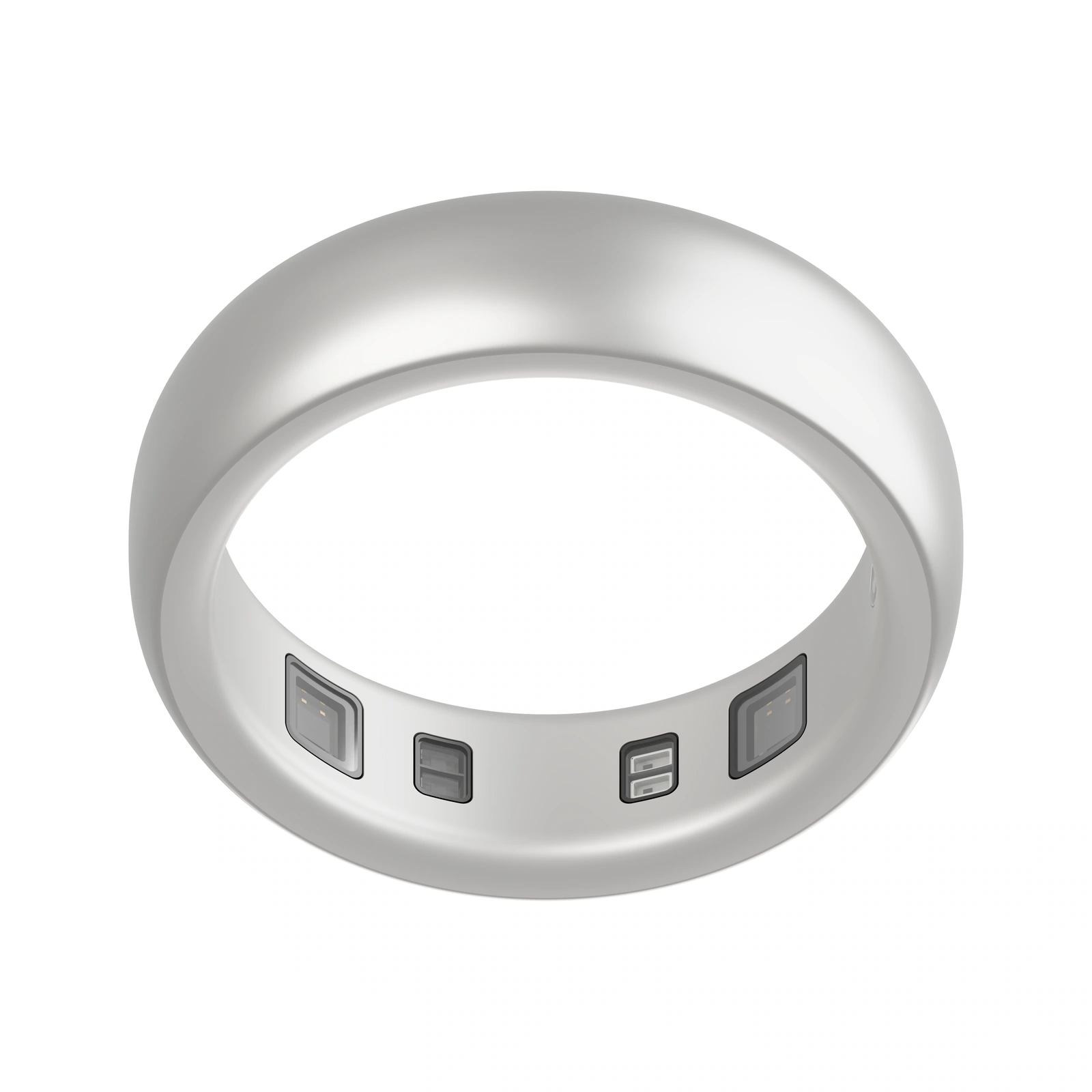
Wear and body patterns
Explore the smart ring's design and feature direction, from records at your fingertip to everyday wear.
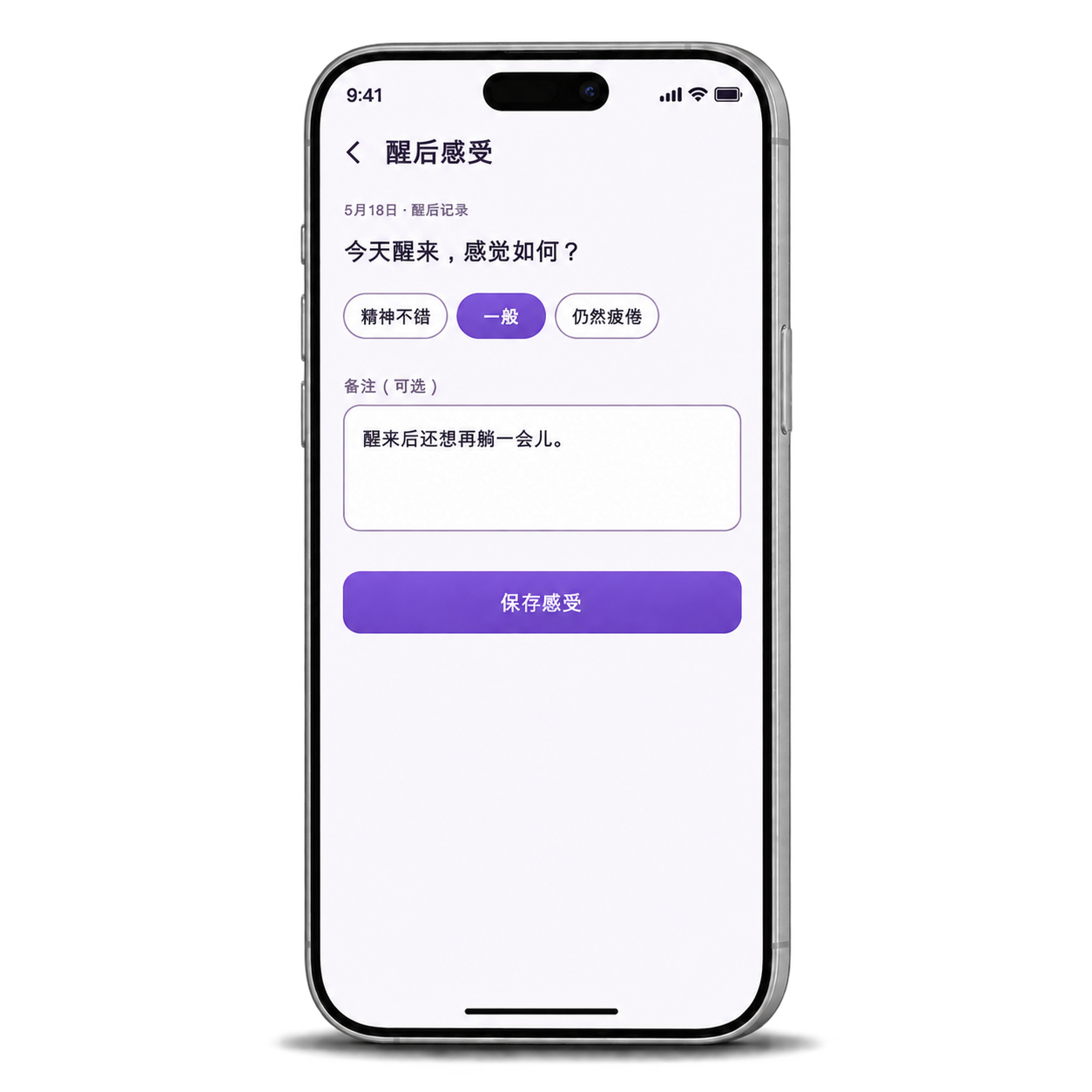
Information, feelings and permissions
Design goal: combine records and subjective feelings to help you understand everyday patterns.
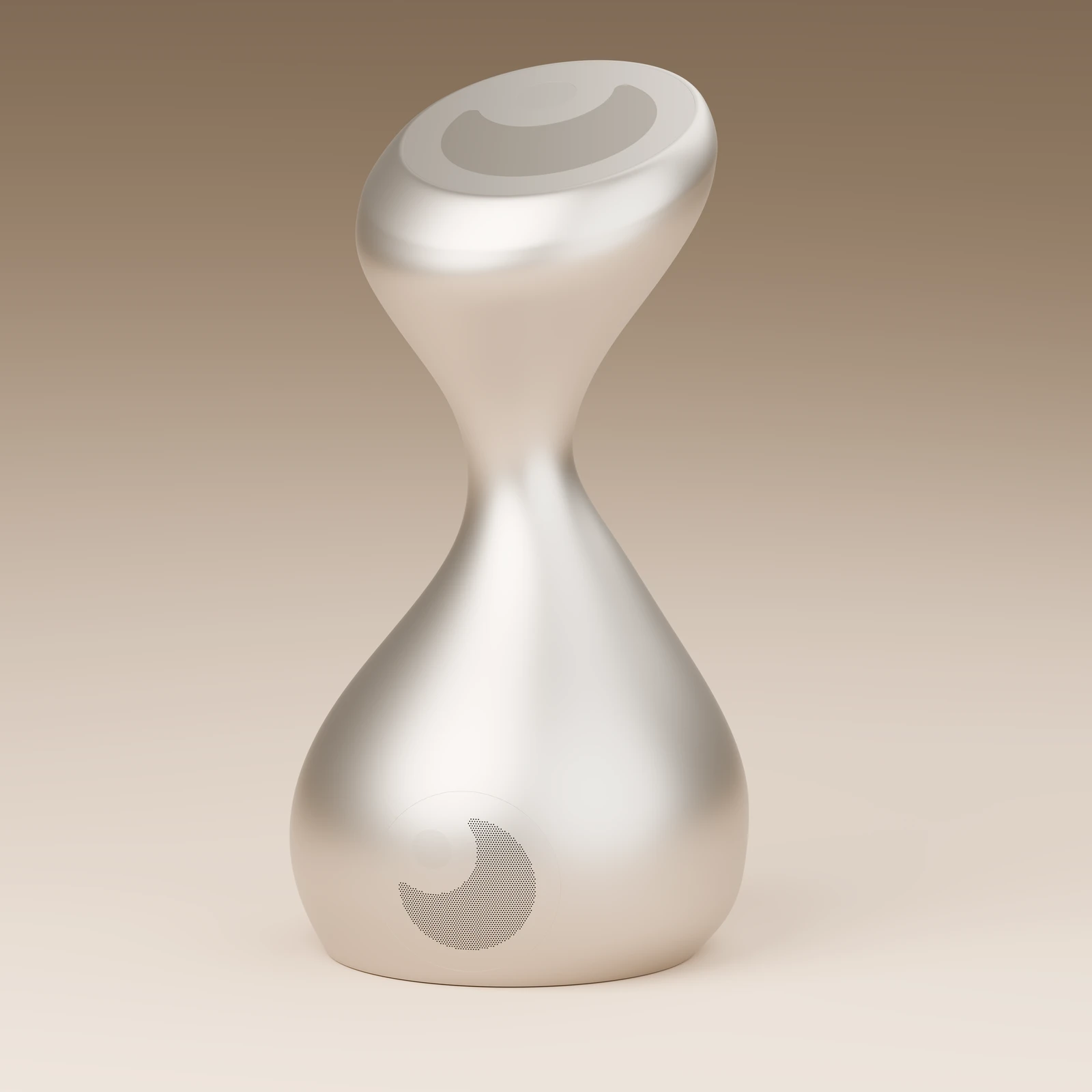
Conversation and the bedroom environment
Interruptible speech, permission preferences and authorized environmental coordination are part of the development design. Hardware integration, privacy controls and compatibility still require validation.
See each role within one bedroom
The ring provides wearable records; the App presents information and receives preferences you choose to express; Luoluo explores conversation and environmental coordination. Bedroom devices participate only when compatible, online and authorized. This illustrates the design relationship, not devices already connected.

Provide body records to review without drawing conclusions for you from a single score.
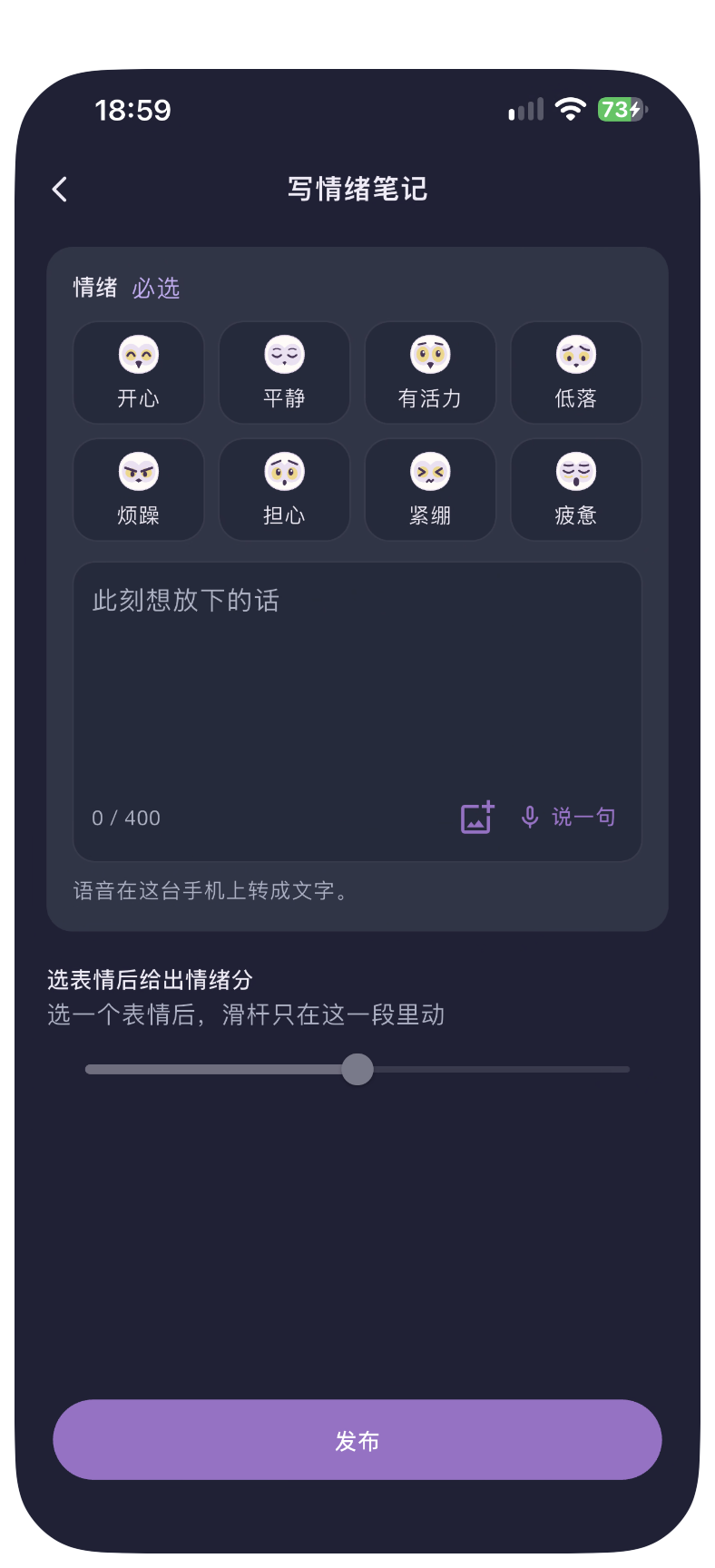
Combine subjective feelings and preferences to confirm suggestions and the scope of device actions.
Explore authorized command handoffs, distinguishing sending a command from confirmed execution.
Respond according to actual compatibility and status feedback. Do not assume success without authorization or while offline.
AIoT · Connecting with everyday life
Luoluo focuses primarily on the bedroom, exploring everyday knowledge, emotional support and desktop companionship. Help for kitchens, living rooms and other spaces consists of information, steps and plans. It does not mean walking, grasping, cooking, cleaning or repairs, or whole-home device control.
We hope to connect bedroom lighting, bedside reading lamps, low-level night lights and curtains. You confirm brightness, timing and triggers, while manual control and device safeguards remain available.
We hope to connect bedroom air conditioners, fans, purifiers and compatible environmental sensors. Readings need a source and timestamp. Turning on a device does not mean the air has already improved.
We are exploring fewer unnecessary sound and light alerts, and handling switchable loads through an authorized allowlist. A brief absence of detection does not prove nobody is present. It does not trigger whole-home power shutdown or promise therapeutic sleep benefits.
Eight household settings connect specific needs, sample questions and usage boundaries. Everyday advice is not physical execution. Device coordination still requires compatibility, authorization and validation.
Make mornings, bedtime and seasonal changes easier.
Organize routines and bedtime checklists; plan bedding cleaning, clothing care and seasonal storage by material; discuss different rest schedules between two people.
You could ask“I need to get up early tomorrow. How should I plan tonight?”
Coordination plans apply only to authorized, compatible bedroom devices.

From what to cook tonight to the order dishes reach the table.
Plan menus around guest numbers, budget, time, dietary restrictions and allergies. Explain knife skills, heat, seasoning, substitutions and refrigerator organization. Prepare gathering checklists and dining-etiquette suggestions.
You could ask“Three people, half an hour: what can I make with these ingredients?”
Keep raw and cooked food separate and heat food thoroughly. Do not judge food as certainly safe from photos or smell.
Order in shared spaces, fewer things forgotten on the way out.
Plan places for belongings around household habits; organize keys, parcels and travel essentials; explain care for furniture materials; help share responsibilities and prepare for visitors.
You could ask“The entrance gets messy every day. What arrangement would be easier to maintain?”
Understand the material and cleaning label before choosing a care method.
Know how to clean, and what not to do.
Understand care labels, sort by color and fabric, address common stains and drying questions; plan bathroom cleaning, slip prevention, moisture control and ventilation; assess from external signs whether a leak needs professional repair.
You could ask“Can this garment be machine washed? How should I treat the stain first?”
Never mix chlorine-based cleaners with acids or ammonia products. Do not operate electrical appliances in wet conditions.
Keep useful things easy to find and properly stored.
Prepare guest bedding and arrival checklists; plan storage by category, expiry date and frequency of use; arrange damp and pest checks; distinguish guest supplies from private spaces.
You could ask“Family are staying this weekend. What should I prepare?”
Store medicines, cleaning products and hazardous items separately and out of children's and pets' reach.
Work, study and leisure each have their own rhythm.
Plan reading, study and home-working time; organize filing, backups and audiovisual connection checks; discuss screen time, volume and shared-device arrangements.
You could ask“The TV has a picture but no sound. What should I check first?”
Start with input source, volume and visible connections. Do not open the device or bypass electrical protection.
Care for different ages and respect individual habits.
Discuss age-appropriate routines, study habits, parent-child communication and relationships between generations. Organize care handover information and check trip hazards, furniture stability and nighttime pathways.
You could ask“My child doesn't want to go to bed. How can we talk instead of rushing?”
Does not replace supervision, medical care or emergency alarms. Seek professional help promptly for health concerns.
Consider seasonal changes and occasional major events too.
Offer general advice on everyday plant care and cleaning pet supplies; prepare garage, stair and hallway checks, moving checklists and seasonal maintenance plans.
You could ask“What should we check around the house before the season changes?”
Leave work at height, gas, structural issues and complex electrical circuits to qualified professionals.
| Scope of use | Help we hope to provide | Points to keep in mind |
|---|---|---|
| Everyday questions and companionship | Everyday knowledge, step-by-step explanations, planning and emotional support. | Does not replace professional advice, provide diagnoses or make decisions for you. |
| Bedroom environmental coordination | Lighting, curtains, air-management devices and compatible sensors, verified by model. | Permissions, connections, safeguards and execution feedback all require validation. |
| Kitchen and other spaces | Knowledge, steps and plans. Coordination with nodes in shared spaces is not yet implemented and may be a future extension. | Does not mean Luoluo can move, grasp, cook, repair or control the whole home. |
| Bathroom and maintenance extensions | Compatible ventilation, demisting, maintenance reminders and more; details follow below. | Not a first-generation commitment. Wet-area, temperature, mechanical and electrical safeguards require separate validation. |
The following describes a system still being designed and not yet fully validated on physical hardware. Supported devices and responses must be determined through testing each model.
Care within your permissions, clarity at every step.
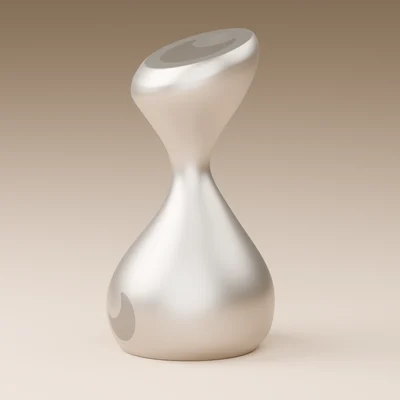
Palord Ring
Authorized wearable data
Palord App
Analysis and permissions
Luoluo AI robot · Palord Robot
Environmental sensing and execution
In this design, Ring supplies data only with correct wear, valid signals and the wearer's authorization.
The App analyzes data, manages permissions and makes decisions. Luoluo senses the environment, executes commands and reports results.
No real physiological measurements are generated when Ring is not being worn.
We hope to use millimeter-wave and environmental sensors to understand room conditions and whether someone is present. Coverage, sustained detection of stationary people and handling multiple occupants all require full-device testing.
The desktop robot is intended primarily for a personal room.
Compatible nodes and a separate shared-area platform coordinate within the authorized scope. Coverage depends on actual compatibility.
The device's sampling point, relative baseline, persistence and recovery trends.
Validate each independent indicator; do not treat stale or unknown information as fact.
Check permissions, device compatibility and safety conditions first.
Confirm commands, device feedback and fresh environmental trends separately.
| Information type | Proposed basis | What it cannot establish |
|---|---|---|
| Odor changes | An odor-sensing module awaiting validation and sampling at the device | A specific pollution source, whole-home coverage, disease or identity |
| Temperature, humidity, particles and CO₂ | Suitable dedicated components or compatible nodes | One sensor representing every environmental indicator |
| Hazardous gases and alarms | Appropriate independent safety devices and their rules | Luoluo replacing smoke, gas or CO alarms |
We hope Luoluo can support everyday life through voice interaction, audio playback and authorized device coordination. We are also evaluating whether an Aigan odor-sensing chip or electronic-nose module would be suitable. Components have not been selected, prototype testing is still needed, and none is currently integrated into the physical device.
The design approach is to observe changes against a relative baseline, their persistence and recovery at the device's sampling point. Category recognition requires separate training and validation. Unknown sources must be clearly marked as unknown, without inferring identity, disease or emotions.
Temperature, humidity, particles, direct CO₂ measurements and specific hazardous gases each require suitable components or compatible nodes. An odor response at one point does not establish whole-home coverage, locate a pollution source or measure every gas concentration.
Only with valid data and confirmed permissions and device capabilities should suggestions or coordination with compatible ventilation and purification equipment be considered. Separate command sending, device feedback and odor-trend verification. Do not independently start equipment when danger is suspected or an unknown strong response occurs.
Odor sensing, millimeter-wave sensing and the microphone are designed to have separate disable controls. Warm-up, failure, expired readings and unknown categories must be clearly shown. Odor sampling and maintenance still need full-device validation.
Disabling odor sensing should stop related collection and new automatic actions. Events should be accessible and deletable; diagnostic uploads need separate consent. Warm-up, failed or expired data cannot serve as valid evidence.
For non-emergency odor changes, prioritize silent recording or authorized low-disturbance handling rather than waking someone because of a single fluctuation. Independent safety alarms follow their own rules.
Odor sensing and fragrance release are separate. The first generation has no built-in fragrance and must not mask abnormalities with scent. Ordinary odor changes do not replace independent smoke, gas or CO alarms.
If danger is suspected or an unknown strong response occurs, an electronic nose alone must not automatically open windows, start ventilation, switch appliances on or off, or clear alarms. Follow the independent safety system's predefined rules.
During sleep, unnecessary robot lights, status feedback and audible prompts should be turned off. Nighttime guidance and emergency alarms follow their own independent rules.
When you leave, first confirm the room state, then handle switchable loads according to an allowlist and verify the results. A brief lack of detection does not mean nobody is present or trigger a complete power shutdown.
Control powered windows, shading and lighting separately, with individual execution feedback.
Check independent inputs for ventilation, purification, temperature and humidity devices.
Authorize audio, bedding and bedside controls according to preferences.
Validate bathroom, cleaning and electrical safeguards separately.
Where data comes from, where it was measured and whether it is timely and reliable.
Distinguish readings, inferences and user-provided information.
Check allowlists, limits and safeguards.
Without execution feedback, completion cannot be confirmed. Stop acting on data once it becomes invalid.
The following lists devices we hope to connect and conditions that must be met first. Individual compatibility has not yet been completed. Support can be offered only after connections, permissions and execution feedback are verified for each model.
The standard system includes the smart ring, App and Luoluo. A whole-home hub, protocol gateways, infrared bridges, wall panels and network equipment are optional configurations.
Real ring data requires valid wear. Compatibility with every brand is not promised.
Millimeter-wave and environmental sensors still need component selection, integration and full-device testing.
Sensing inputs include door contacts; window and curtain position; illuminance; temperature and humidity; CO₂; particles; TVOC; sound levels; outdoor wind, rain and air conditions; leaks; and device water levels, filter status and safeguards. Bed-occupancy sensing is optional.
Microphone, radar and odor sensing have separate purposes and disable controls. Sound-level statistics are intended to be processed locally first. Processing locations, data flows and necessary uploads must be validated at each stage and receive appropriate consent.
An Aigan approach is being considered for odor sensing. Temperature, humidity, particles, direct CO₂ and other independent inputs require separate validation.
Scenarios include returning to the room, being awake, preparing for bed, sleeping, getting up at night, returning to bed, waking in the morning and maintenance while away.
Manual operation, suggestions, preauthorization and adaptive control require progressively granted permissions.
First confirm that data remains valid, then assess whether a command is needed. Afterwards, check whether the device received and executed it, and continue monitoring environmental changes.
Record source, measurement point, time, units and quality. Presence does not establish identity, emotion or sleep stage. Do not apply another person's Ring data. Stop use when authorization expires.
Distinguish readings, algorithmic inferences and user information. Unknown or stale data is not a current fact. Reject odor classifications with insufficient confidence; do not invent data or pollution sources.
By default, ask for confirmation of suggestions. Authorized scenarios run only under valid conditions and allowlists, specifying devices, actions, intensity, timing and limits, with options to refuse or withdraw. Constraints involving children, pets, multiple occupants and open-window ventilation need validation. Never act on odor alone.
Record separately when a command was sent, whether it was received, whether the device acted, and the latest environmental changes afterwards. Receipt is not execution, and switching on is not improved air. Without execution feedback, do not confirm completion, repeatedly issue commands or claim pollution has been removed.
During warm-up, offline states, saturation, unknown or expired readings, or disablement, stop new automatic actions dependent on that input. Preserve manual control and independent safety devices. The Aigan candidate, independent environmental inputs, whole-device airflow path and compatible models still require validation.
Control powered windows, independent insect screens, sheer blinds and blackout curtains separately, with separate feedback. Sequence actions according to actual tracks and collision risks, respecting anti-pinch and wind-and-rain protection.
The planned scope covers main ceiling lights, downlights and spotlights, indirect lights, bedside and reading lamps, floor lamps, low-level pathway lights, and wardrobe, dressing, bathroom and mirror lights. Screens and indicators that support switching off are also included.
Turn ordinary light sources off during normal sleep. For nighttime movement, use only low-level, shielded pathway lighting.
The planned scope covers air conditioning, filtered fresh-air systems, purifiers and adsorbent filters, humidifiers and dehumidifiers, circulation fans, underfloor and radiant heating, air exchange, bathroom extraction and zoned dampers.
Particle purification does not replace ventilation for CO₂. Humidification and dehumidification, and heating and cooling, require mutual interlocks.
Smart speakers, optional white noise, television, projectors and optional powered screens, switchable audio prompts, and compatible door and window sound insulation. Ordinary audio is off by default during sleep; white noise needs separate authorization and a time limit.
The planned scope covers fresh air, local extraction, adsorbent purification and disabling controllable pollution sources. External fragrance is optional.
First-generation Luoluo has no built-in fragrance. External fragrance is off by default during sleep and disabled according to pet or allergy preferences.
TVOC does not identify a specific odor.
Do not automatically add fragrance to mask abnormal odors.
Bed sensors, temperature-controlled bedding, powered beds and bedside panels are optional compatibility targets. Mechanical actions retain anti-pinch protection, with manual control taking priority.
No real physiological data is generated when Ring is not being worn.
Ring and the separate energy pod are provided separately and are not included with Luoluo by default.
The planned scope covers extraction, mirror demisting, heated towel rails, local lighting, compatible smart toilets, hot-water circulation, powered leak shutoff valves, and wardrobe ventilation and humidity control.
Bathtub filling is a separate optional feature requiring independent validation of water level, temperature and overflow safeguards. Wet-area electrical and temperature protections must not be bypassed.
The planned scope covers robot vacuums and mops and their docks, optional smart bins, bed maintenance, and filter and water-tank reminders.
Schedule only after reliably confirming the room is unoccupied, and yield when someone returns. Do not start disruptive maintenance during sleep; respect wood-floor care restrictions.
The planned scope covers appropriately rated relays and controlled circuits, metered sockets, power monitoring, and suitable independently certified smoke, gas and CO alarms. Leak protection, locks, backup power for gateways and physical controls are also included.
Luoluo does not replace safety devices or unlock doors based solely on Bluetooth proximity. When someone leaves, switch off only nonessential loads on the allowlist.
Environmental coordination · From bedtime to morning
Let personal preferences guide the room's response. Palord is exploring how ring records, feelings you choose to share and environmental information can work together. With permissions and rules confirmed in the App, Luoluo would connect compatible bedroom devices, gradually building coordination that is understandable, stoppable and open to manual control.
The following illustrates a scenario workflow. It is not physical device control or a feature already delivered. Environmental sensing, device compatibility and automation rules still require development, testing and validation. No improvement in sleep or therapeutic effect is promised.
Confirm preferences before adjusting the room.
Explore coordination between lights, curtains and air-management devices within confirmed timing, brightness and temperature limits. Do not treat body records directly as automatic control commands.
Light the way when needed, without disturbing the whole room.
Explore low-level lighting supported by reliable presence information. Brief non-detection does not mean nobody is present. Keep physical switches and manual takeover available.
Return gradually to daylight, at your chosen time.
Explore adjusting light and curtains during a confirmed waking window. Device feedback determines the result, with clear notices for offline or failed actions.
Lights, curtains, air conditioners, fans, purifiers and environmental sensors are categories we hope to connect. Compatibility has not yet been confirmed individually. Fragrance, bathroom and cleaning applications are only extension ideas, not first-generation features. First-generation Luoluo has no built-in fragrance and does not replace independent smoke, gas or CO alarms.
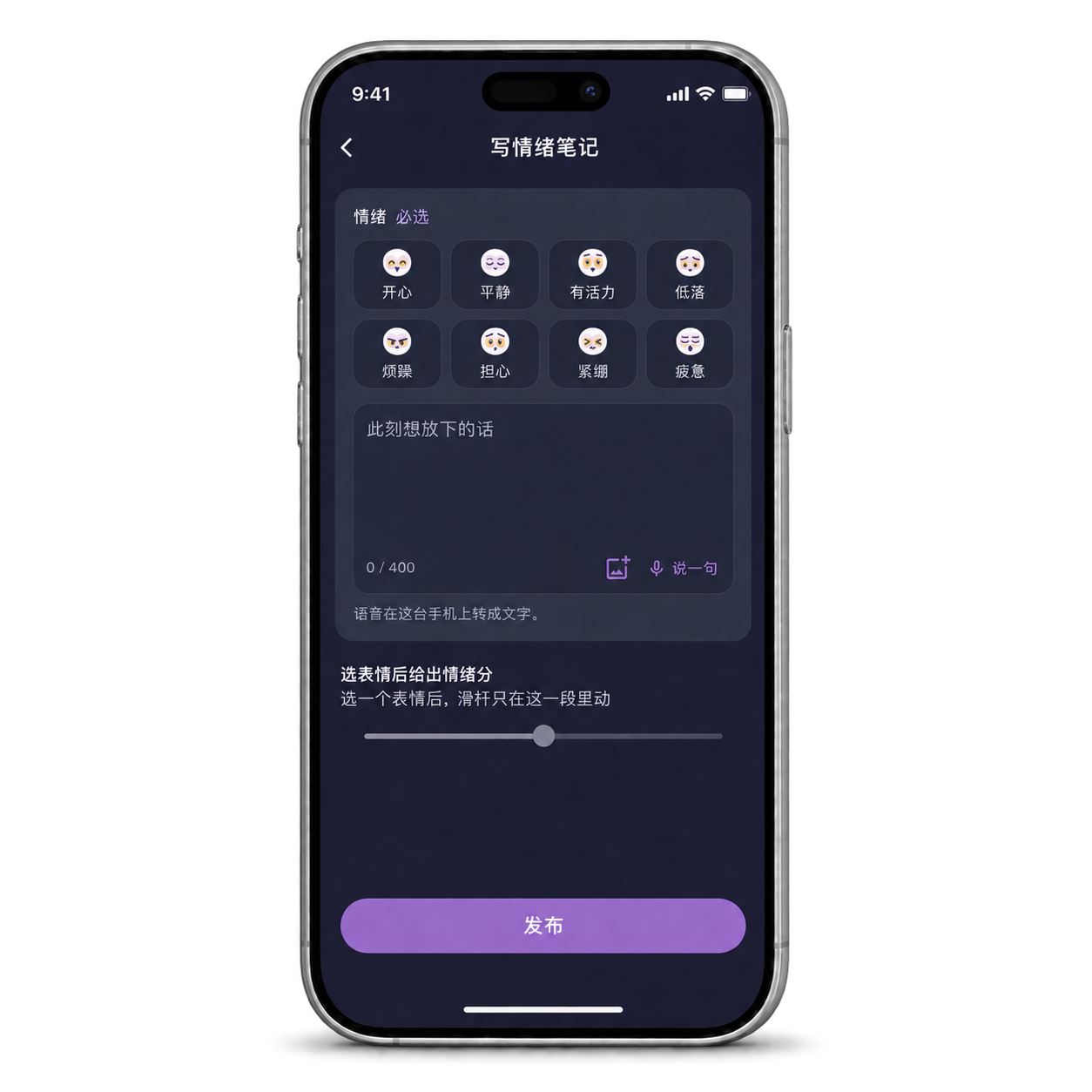
Palord App + AI
The design goal is to present valid records alongside feelings and preferences you choose to add, helping you understand everyday patterns. You confirm the devices and scope of actions.
Review body records, subjective feelings and device feedback together the following day, then decide whether to keep, adjust or stop the settings.
Device assistance requires your authorization. You can skip suggestions, pause coordination, withdraw permission or take manual control.
Receiving a command does not mean it has been executed, and environmental changes do not directly prove sleep benefits. AI does not draw conclusions for you from a single score, replace your feelings, provide psychological or disease diagnoses, or promise treatment.